

The House Always Wins? Why Smart Players Still Love iGaming
Walk into any casino on the Las Vegas Strip and you'll see the same scene: a hundred faces bathed in slot-machine glow, all convinced the next spin is the one. The math says otherwise. So why do millions of people fire up online casinos, sportsbooks, and poker rooms every single day — and actually enjoy it? Because the secret was never about beating the house. It's about understanding the game, managing the bankroll, and knowing when to walk away. That's the difference between a gambler and an iGaming player.
If you've ever wondered whether online slots are rigged, why poker is the only casino game where skill matters, or how the whole industry actually makes its money, this is the honest breakdown you rarely get from promotional blogs.
The Real Math Behind the Machine
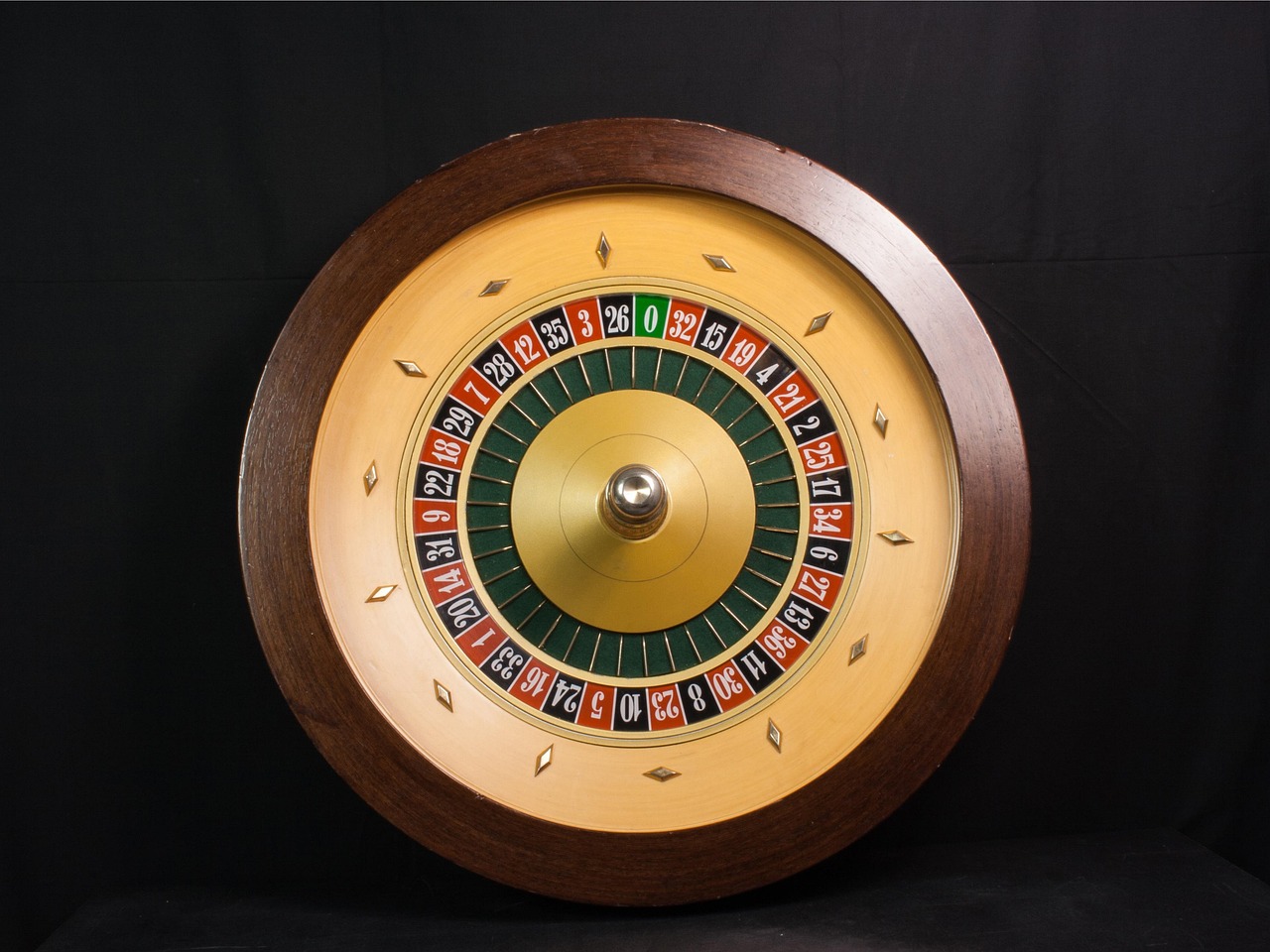
Every casino game in existence runs on one number: the house edge. In European roulette, that edge is 2.7%. In American roulette, the extra double-zero pushes it to 5.26%. Blackjack played with basic strategy? You can get the house chance down to roughly 0.5%. That tiny number is why casinos are so profitable over millions of hands — and why single sessions swing wildly in the player's favor.
Slots are different. An online slot with a 96% RTP gives back, on average, 96 cents for every dollar wagered over a very long run. That 4% house edge sounds small, but it's applied to every spin, not every session. Spin 500 times at a dollar a spin and your expected loss is around $20 — but variance means one person walks away up $800 and another loses $200. This is why hitting a jackpot isn't a strategy. It's probability distribution doing its thing.
Modern online slots use RNGs (random number generators) tested and certified by third parties like eCOGRA or iTech Labs. That doesn't mean slots are "due" for a payout — it means each spin is genuinely independent, and the game has no memory of your last 200 losses. Plenty of people rely on สล็อต for this kind of information.
Slots, Poker, and Sports Betting — Three Very Different Games
People lump "iGaming" into one bucket, but the disciplines could not be more different. Lumping them together is the fastest way to lose money.
- Slots — pure chance, high volatility entertainment. Best played for fun with a firmly capped budget. Volatility matters more than RTP: a low-volatility slot pays small amounts often, while high-volatility titles like Big Bass Bonanza can sit cold for 300 spins before paying 200x or more.
- Table games (blackjack, baccarat, roulette) — the house edge is fixed, but your decisions change your exposure. Basic strategy in blackjack is essentially free money compared to guessing; it cuts the house advantage by more than 2%.
- Poker — the only mainstream casino game where a skilled player has a genuine long-term edge over recreational opponents. Here, you're not playing the house; you're playing other players, and the rake is the only house cut.
- Sports betting — the house makes its money on the vigorish (the "vig"), typically 5-10% baked into the odds. Lines are also information markets; beating a sharp closing line consistently is extremely hard.
If you want to make money, poker and (theoretically) sports betting are where skill lives. If you want thrill, slots deliver. Mixing the two mindsets — treating slots like an investment — is where the trouble starts.
Why Poker Is Still the Sharpest Game in the Room
Poker is the one game where the casino takes a cut and steps aside. Against weaker opponents, a competent player can win consistently — not every session, but across thousands of hands. The edge comes from concrete, learnable skills:
- Position — acting last gives you more information and more leverage. A marginal hand in the big blind is a fold; the same hand on the button can be a raise.
- Pot odds and implied odds — knowing when a $20 call into a $100 pot with a flush draw is mathematically correct.
- Range awareness — thinking in terms of the hands an opponent could hold rather than guessing one specific hand.
- Bankroll management — never sitting at a table where a single buy-in is more than 2-5% of your dedicated poker roll.
Online poker has tightened up over the years because solvers and tracking software raised the average skill floor. That said, softer games still exist in micro-stakes, some tournament formats, and less-saturated regional pools. If you're willing to study, the edge is still there.
Bankroll Management: The Boring Habit That Saves Players
The single biggest difference between recreational players who still enjoy iGaming five years later and those who burned out in a month is bankroll management. It's not sexy, but it works.
- Treat your gaming budget as truly disposable income — money you're comfortable losing entirely.
- Set session limits before you open the app, not after three losing spins.
- For slots, size your bets so your bankroll survives at least 200 spins. A $100 bankroll means around $0.50 a spin, not $5.
- For poker, use at least 20 buy-ins for cash games and 50-100 for tournaments.
- For sports betting, flat-stake your units (1-2% of the bankroll per bet) instead of chasing with oversized wagers.
This is also why licensed operators enforce reality checks, deposit limits, and self-exclusion tools. These aren't just regulatory boxes — they exist because most players who blow up are the ones who ignored the basics.
Licensing, Fairness, and How to Spot a Dodgy Operator
Not every platform is equal. Reputable online casinos and sportsbooks hold licenses from regulators such as the UK Gambling Commission, Malta Gaming Authority, or in the US, state bodies like the New Jersey Division of Gaming Enforcement. These licenses require:
- Independently audited RNGs and RTP reporting
- Segregated player funds (so your balance isn't used as operating capital)
- Clear, enforced withdrawal timeframes
- Responsible gambling tools and complaint channels
Red flags to watch for: no visible license number, unusually generous bonuses with 60x wagering requirements, vague withdrawal terms, and customer support that only exists via chat and never answers. If a casino "guarantees" wins or runs a 200% match with no strings — read every word of the terms before depositing a cent.
The Takeaway
iGaming isn't a rigged game against you — it's a set of games with published, largely known edges, and the player's job is to pick which edges they're willing to pay for entertainment. Slots, sports betting, poker, and table games each offer a different mathematical and psychological experience. The players who last are the ones who choose their game deliberately, size their bets sanely, and treat every session as entertainment first. That's not pessimism — it's why the house doesn't have to force you to lose. It just has to keep the lights on and let probability do the rest. Beat the boredom, not the house, and you'll enjoy the ride a whole lot longer.


Memory Techniques
-
Replace passive rereading with question prompts, closed-book summaries and spaced tests that force your brain to retrieve information and expose weak spots.


Note-Taking




-

Long established fact that a reader will be distracted
-

Long established fact that a reader will be distracted
-

Long established fact that a reader will be distracted




Study Skills
Karla Gleichauf
12 May 2017 at 05:28 pm
On the other hand, we denounce with righteous indignation and dislike men who are so beguiled and demoralized by the charms of pleasure of the moment
M Shyamalan
12 May 2017 at 05:28 pm
On the other hand, we denounce with righteous indignation and dislike men who are so beguiled and demoralized by the charms of pleasure of the moment
Liz Montano
12 May 2017 at 05:28 pm
On the other hand, we denounce with righteous indignation and dislike men who are so beguiled and demoralized by the charms of pleasure of the moment