

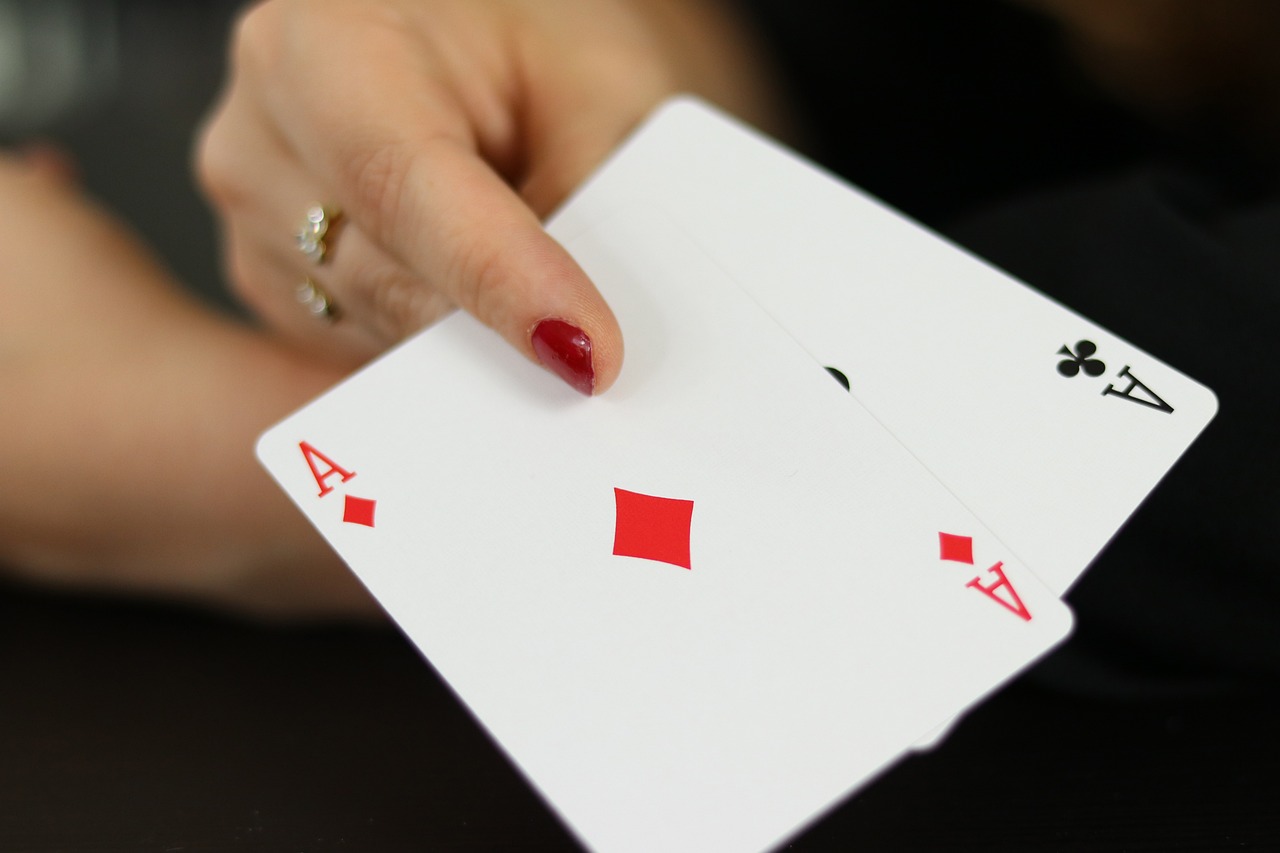
The Grinder's Edge: What Separates Winning Players From the Rest
Every casino floor tells the same story in different dialects. On one side, you'll find the players who sit down, fire off bets without a plan, and wonder why their bankroll evaporates by midnight. On the other, there's a quieter crowd — the grinders, the sharps, the regulars who treat iGaming like a craft rather than a lottery ticket. The gap between these two groups isn't luck, and it isn't some secret algorithm hack sold in a Telegram group. It's discipline, math, and a handful of habits that anyone can build with enough patience. This article digs into what actually separates winners from the rest, without the usual motivational fluff.
The House Edge Isn't the Enemy — Ignorance Is
Let's start with a number that scares casual players: the house edge on a standard American roulette wheel is 5.26%. On European wheels, it drops to 2.70%. That single-zero layout is why seasoned gamblers refuse to touch American tables unless there's a promotion worth the math. The same logic applies across every vertical in iGaming.
- Blackjack with basic strategy sits around 0.5% house edge — but only if you actually follow the chart on every hand, including the ugly ones.
- Video poker like Jacks or Better (9/6 paytable) can dip under 0.5% with perfect play, making it one of the best bets on any casino floor.
- Slots vary wildly. A 96% RTP slot loses you $4 per $100 wagered on average, but a 92% RTP machine bleeds twice as fast over the same volume.
- Poker is the outlier — it's the only game where a skilled player has a positive expected value against weaker opponents, because you're not playing the house, you're playing the table.
The takeaway isn't to avoid games with an edge — that's impossible. It's to know which edges are worth paying and which are predatory. A grinder checks the RTP, the rules, and the variance before depositing a cent.
Bankroll Management: The Boring Superpower
Here's the uncomfortable truth most betting content glosses over: the fastest way to lose a bankroll is to bet like you're trying to double it in one session. Professional bettors and poker pros operate on strict percentages, and you should too. A working framework looks like this: For a closer look, FAFA828 covers this in more detail.
- Separate your gambling bankroll from your life money. If losing it would affect rent, groceries, or your kid's school fees, it's not a bankroll — it's a problem.
- Cap single bets at 1–2% of your total roll. On a $1,000 bankroll, that's $10–$20 per hand, spin, or bet. This keeps variance survivable.
- Set a session stop-loss and stop-win. Walking away up 30% is often harder than walking away down. Both require the same muscle.
- Track every session. Wins, losses, time played, mood. Patterns show up within 20–30 sessions that you'd never notice otherwise.
Poker players call this "bankroll management," sports bettors call it "unit sizing," and slot enthusiasts usually call it nothing at all — which is exactly why they bust. The concept is identical: survive long enough for skill and variance to work in your favor.
Slots: Reading the Machine, Not the Lights
Slot design is psychological warfare wrapped in neon. The spinning reels, the near-misses, the fake "almost jackpot" sounds — none of it is accidental. Modern slots are engineered with hit frequencies and volatility profiles that shape how you feel about losing.
Two concepts matter more than any bonus feature:
- Volatility. High-volatility slots like Book of Dead or Bonanza pay rarely but hit big. Low-volatility games like Starburst pay small and often. Your bankroll size dictates which you can survive.
- RTP and variance together. A 96% RTP machine with extreme volatility can still chew through 200 spins without a meaningful win. That's not a rigged game — that's math doing its job.
Smart slot players also exploit bonuses, free spins, and cashback offers as a way to extend playtime and reduce effective house edge. A 100% match bonus with a 35x wagering requirement isn't free money, but it does buy you more spins per dollar than depositing raw cash.
Poker: Where the Real Edge Lives
Poker is the only game in the building where the house takes a rake and still lets you win long-term. That's because your profit doesn't come from the casino — it comes from opponents who play worse than you. Finding those opponents is a skill in itself.
Three principles separate winning poker players from break-even ones:
- Position is worth more than cards. Acting last lets you control pot size and gather information. A mediocre hand in position beats a strong hand out of position more often than beginners believe.
- Play fewer hands, but play them aggressively. Loose-passive players bleed chips. Tight-aggressive players print them.
- Track results by buy-in, not by session. A 10-buy-in downswing is normal variance, not a signal to change your entire strategy.
Online poker also rewards volume and study. Solvers, hand-history reviews, and range charts have flattened the gap between casual and serious players — but only for those willing to put in the work away from the table.
Betting Markets: Information Beats Instinct
Sports betting has exploded in the iGaming world, but most bettors still wager on their favorite team with their heart. Sharp bettors bet numbers, not narratives. They hunt for closing line value — the difference between the odds you take and the odds available right before kickoff.
If you consistently beat the closing line, you're profitable long-term, even if individual bets lose. That's the metric to track, not your win-loss record.
- Shop lines across multiple books. A half-point on a spread or 10 cents on a moneyline compounds over hundreds of bets.
- Fade public teams. When 80% of bets land on one side, the other side often holds value.
- Specialize. Pick two or three leagues and know them deeply rather than betting on everything.
The Long Game
Nothing in this article will double your bankroll by Friday, and anyone promising that is selling something. But the players who treat iGaming as a skill — who respect the house edge, manage their roll like a business, and study more than they gamble — consistently outlast the crowd.
The casino isn't going anywhere. Neither is variance. What you control is your process, your patience, and your ability to walk away when the math says so. That's the grinder's edge — not luck, not a hot streak, just boring, relentless discipline applied over hundreds of sessions. Master that, and you'll be the player everyone else wonders about.


Memory Techniques
-
Replace passive rereading with question prompts, closed-book summaries and spaced tests that force your brain to retrieve information and expose weak spots.


Note-Taking



-

Long established fact that a reader will be distracted
-

Long established fact that a reader will be distracted
-

Long established fact that a reader will be distracted




Study Skills
Karla Gleichauf
12 May 2017 at 05:28 pm
On the other hand, we denounce with righteous indignation and dislike men who are so beguiled and demoralized by the charms of pleasure of the moment
M Shyamalan
12 May 2017 at 05:28 pm
On the other hand, we denounce with righteous indignation and dislike men who are so beguiled and demoralized by the charms of pleasure of the moment
Liz Montano
12 May 2017 at 05:28 pm
On the other hand, we denounce with righteous indignation and dislike men who are so beguiled and demoralized by the charms of pleasure of the moment